Industry · municipality
The Restaurant Industry in Sande: Current Status and Future Prospects
An Analytical Overview of Businesses, Economy, and Development Trends in the Municipality of Sande
Brief Overview of the Restaurant Industry in Sande
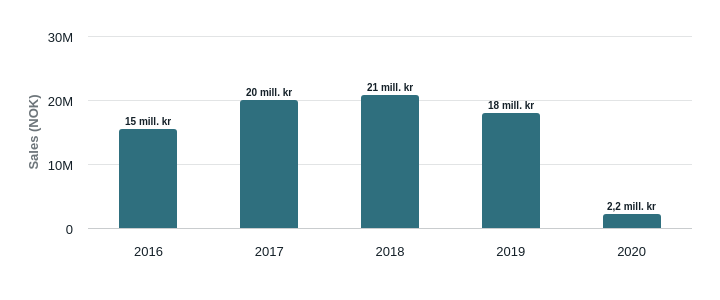
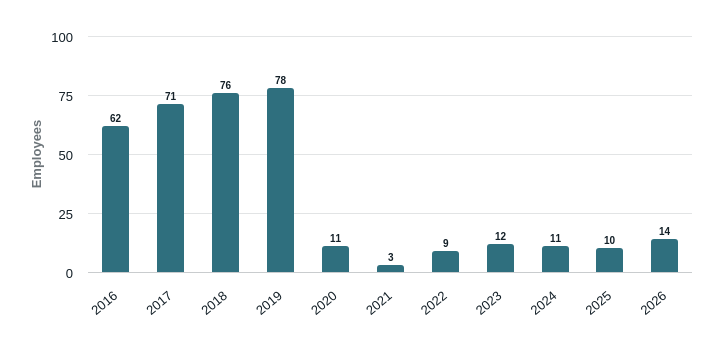
The restaurant industry in Sande is a small but dynamic sector with a unique challenge: a single company, Rosenlund Hamn AS, dominates the market. In 2023, the industry had 12 employees, a significant decline from 78 employees in 2019 before the pandemic. Sales revenue has also been marked by large fluctuations, with a decline from 17.9 million NOK in 2019 to just 2.2 million NOK in 2020. Although there has been a gradual increase since then, the figures indicate that the industry is still under pressure. This makes Sande an interesting but challenging place for new players looking to establish themselves in the restaurant sector.
Economic Trends and Key Figures
Economic Trends
From 2016 to 2019, the restaurant industry in Sande experienced stable growth in both sales and number of employees. Sales increased from 15.4 million NOK in 2016 to 17.9 million NOK in 2019, while the number of employees rose from 62 to 78. This was abruptly halted by the pandemic in 2020, where sales fell to 2.2 million NOK and the number of employees dropped to 11. In 2023, the industry had 12 employees, showing a gradual increase but still far below pre-pandemic levels.
Key Economic Figures
- EBITDA margin: -188% (2023), indicating severe losses
- Total debt: 2.3 million NOK for Rosenlund Hamn AS
- Wage costs: 956,000 NOK in 2023, very high relative to sales
- Debt-to-equity ratio: 46 (2.3 million NOK debt / 50,000 NOK equity)
These figures show that the restaurant industry in Sande is under significant economic pressure, although there has been a gradual recovery since 2020.
Companies and Organizational Forms
Companies in the Sector
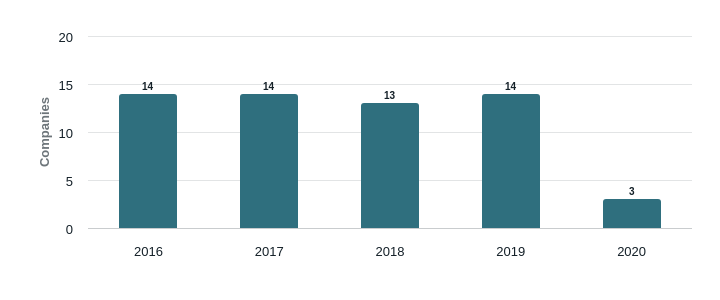
There is only one registered company in the restaurant industry in Sande: Rosenlund Hamn AS, an AS established in 2019 with 17 employees. The company has a high debt-to-equity ratio (46) and a negative EBITDA margin of -188% in 2023. Although the company has shown a gradual increase in the number of employees (from 11 in 2020 to 17 in 2023), sales have not yet reached pre-pandemic levels.
Organizational Forms
- AS: 1 company, 17 employees
- Total number of companies: 1
- Average number of employees per company: 17
Geographic Distribution of Companies
Distribution of Companies
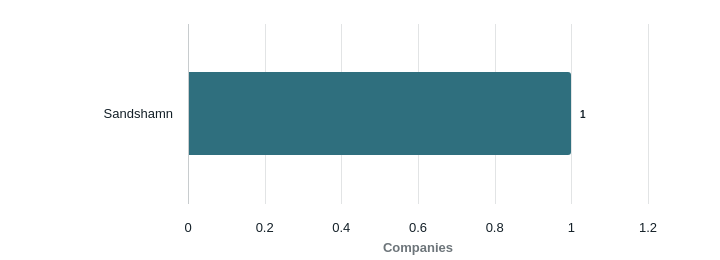
All companies in the restaurant industry in Sande are located in Sandshamn:
| Parameter | Value |
|---|---|
| Number of companies | 1 |
| Number of employees | 17 |
| Sales | 1.0 million NOK |
| EBITDA | -2.0 million NOK |
| Debt | 2.3 million NOK |
Sandshamn is therefore the only activity area in Sande for the restaurant industry. This makes the area a central, but also highly competitive place for businesses in the sector.
Economic Dynamics and Stability
Economic Dynamics
- Bankruptcy Safety: No companies in the industry are registered as bankrupt in 2023, but Rosenlund Hamn AS has a high debt-to-equity ratio (46) and negative equity (50,000 NOK).
- Stability: The number of employees has grown from 11 in 2020 to 17 in 2023, but with large fluctuations from year to year (e.g., from 3 in 2021 to 9 in 2022).
- Competitiveness: With only one company in the industry, there is little competitiveness, but at the same time a high risk that a single company could influence the entire market.
This shows that the restaurant industry in Sande is both highly unstable and marked by significant economic challenges.
Outlook for Entrepreneurs and Businesses
Development Trends
- Resilience: Despite a drastic decline in 2020, the industry has shown a gradual recovery, indicating a certain level of resilience.
- Role of Tourism: Sande is a tourist area, and the restaurant industry could have growth potential with increased tourism.
- Innovation: With only one company, there is significant potential for new players looking to establish themselves with modern offerings or unique concepts.
- Cost Control: High wage costs (956,000 NOK in 2023) relative to sales (1.0 million NOK) indicate a need for increased efficiency.
For entrepreneurs, this can be both a challenge and an opportunity: low competitiveness, but also a high risk of economic challenges.
Conclusion and Future Prospects
The restaurant industry in Sande is a small but dynamic sector with both challenges and opportunities. With one dominant company and a gradual recovery after the pandemic, it may be possible to establish oneself in the municipality. At the same time, figures on high debt, negative equity, and high wage costs show that the industry is under significant economic pressure. For entrepreneurs, this can be a challenge, but also an opportunity to establish themselves with innovation and efficiency. SmartGrunder can help find suitable addresses and develop strategies to succeed in this special marketplace.